Water Damage Restoration Mount Juliet, TN
Water in the crawl space, a split pipe after a hard freeze or a creek that came over its banks: the Mount Juliet restoration crew extracts the water, dries the structure to the IICRC S500 standard and documents every step for your insurance claim.
(888) 849-5796Water still spreading? Call now- 24/7 dispatch
- IICRC S500 drying standard
- Truck-mounted extraction
- Daily moisture readings
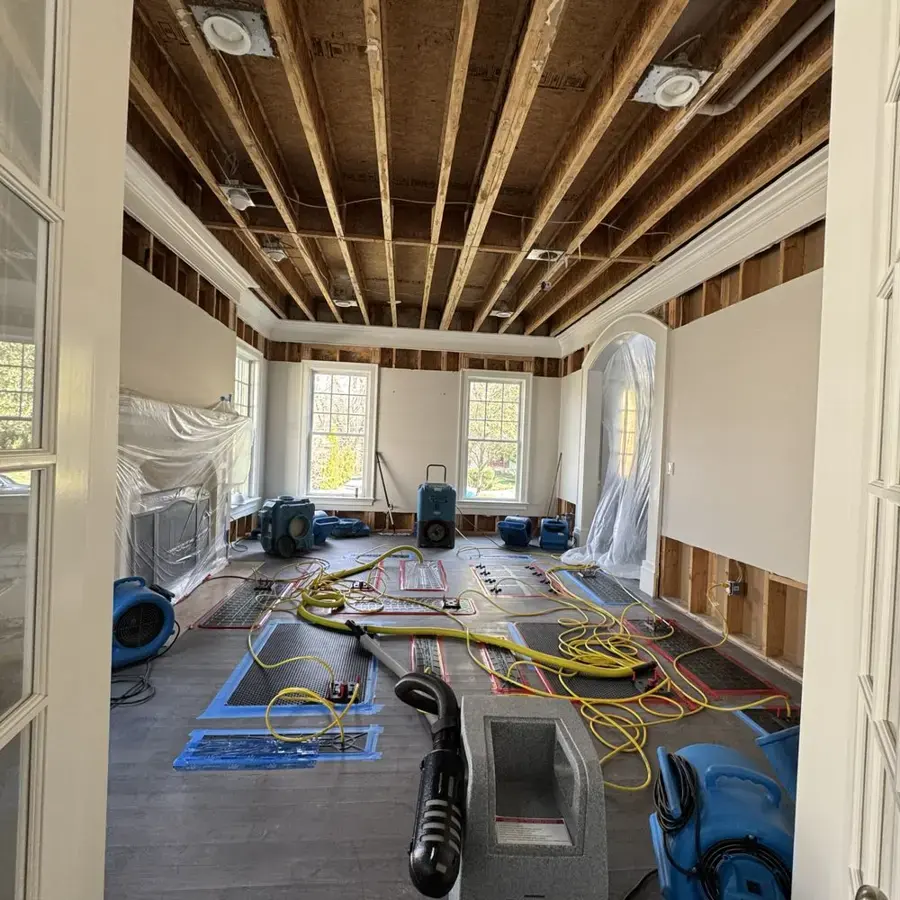
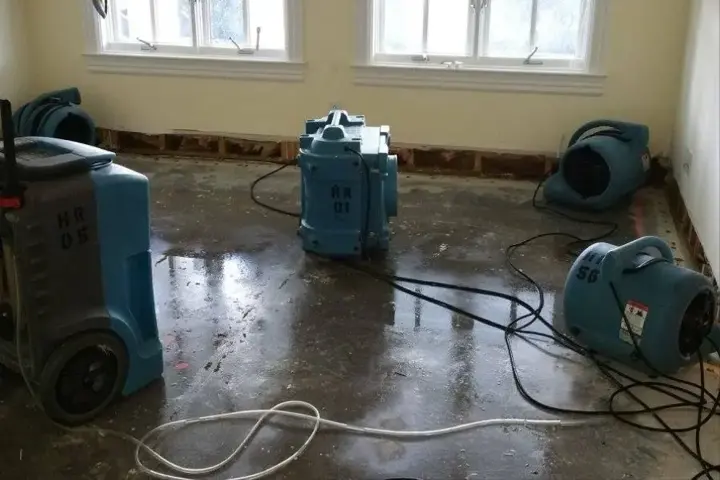
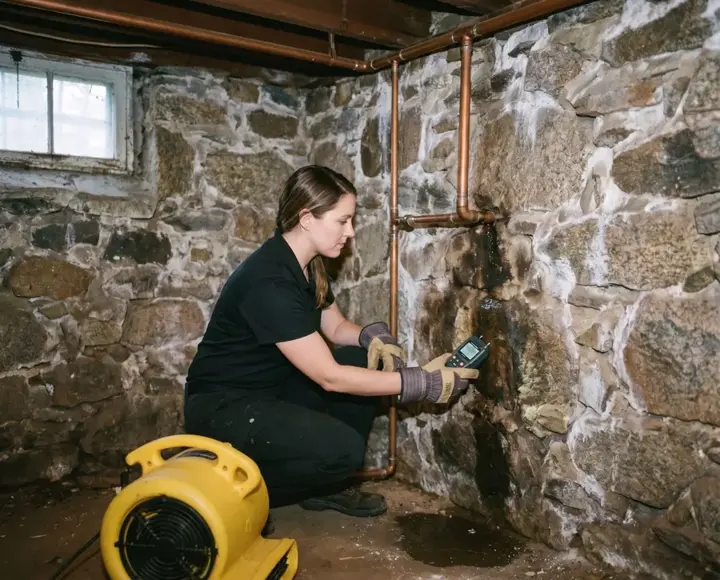
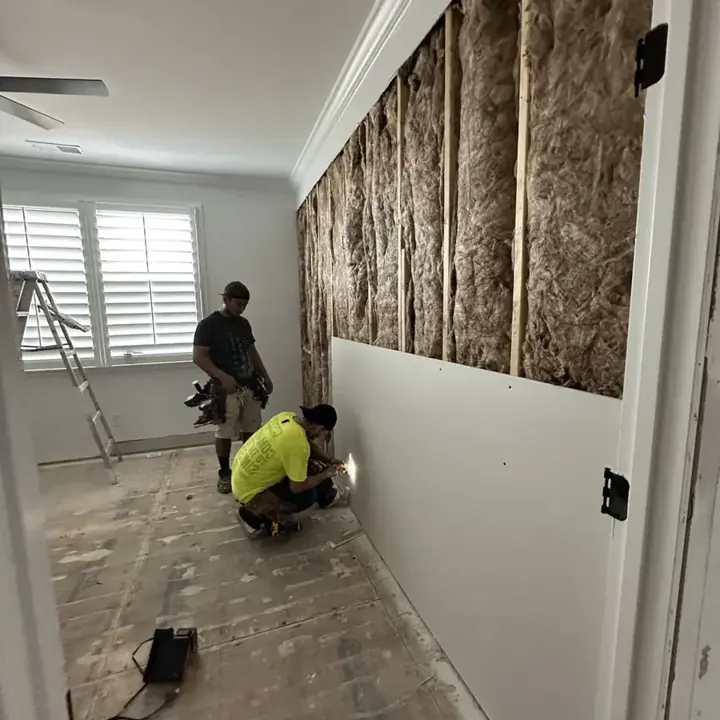
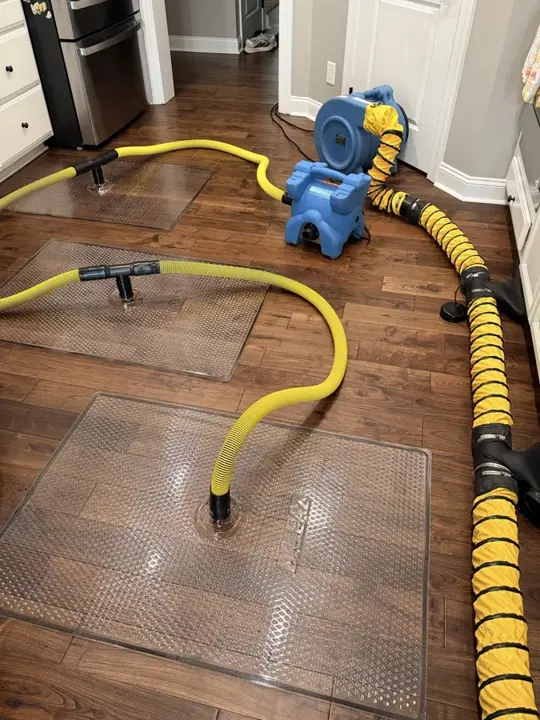
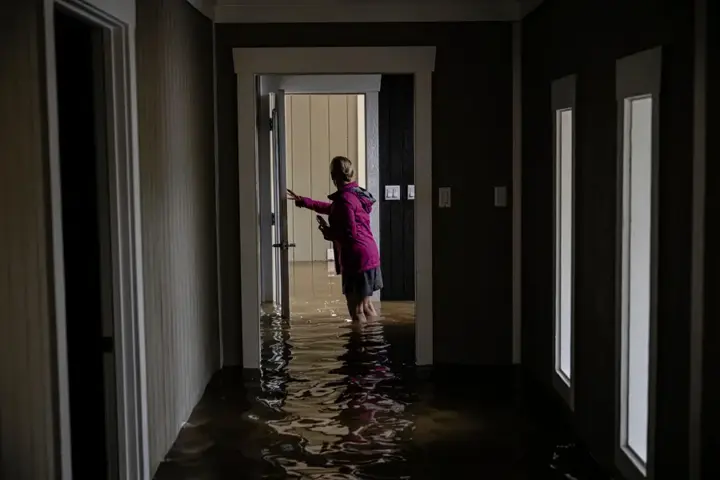
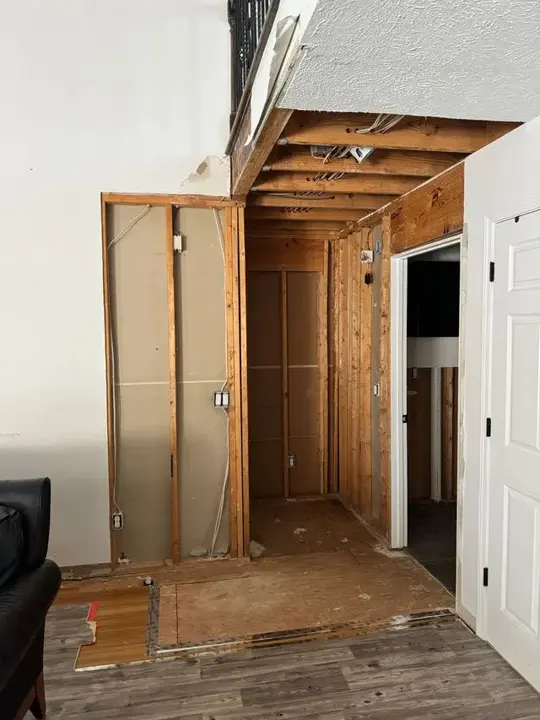
Representative dry-out: walls opened, mats on the floor, readings every day.
What to do right now, before help arrives
- 1
Shut the main
Close the main water valve. In most Mt. Juliet homes it is in the garage, a utility closet or near the crawl space door.
- 2
Kill wet circuits
Switch off breakers for wet rooms only if the panel area is dry and you are standing on a dry floor.
- 3
Stay out of deep water
Keep clear of standing water near outlets, appliances and the crawl space HVAC unit.
- 4
Photograph first
Take photos and video of every wet room and item before anything is moved or thrown out.
- 5
Lift, then call
Pull rugs, raise furniture onto blocks, then call. Drying that starts early saves the most.
Wet drywall, carpet pad and subfloor can start growing mold within 24 to 48 hours, so the window that matters is the first day. Clean water from a supply line also turns dirtier the longer it sits.
Water Damage Restoration Services in Mount Juliet, TN
Water and sewage only, from the first gallon of extraction to the last moisture reading. Each service below runs on the same drying standard.
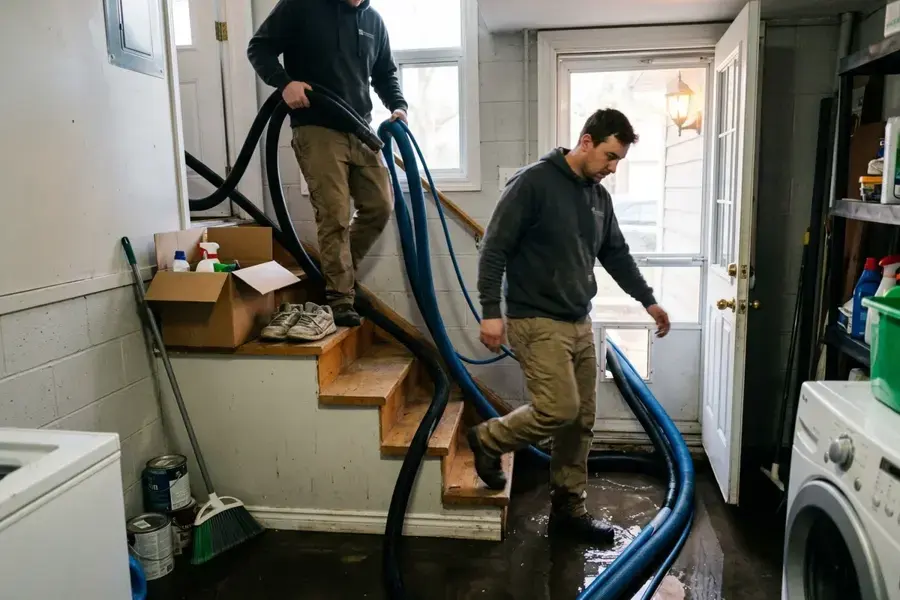 Water ExtractionStanding water pulled out with truck-mounted extraction before it soaks into subfloor and drywall.See water extraction
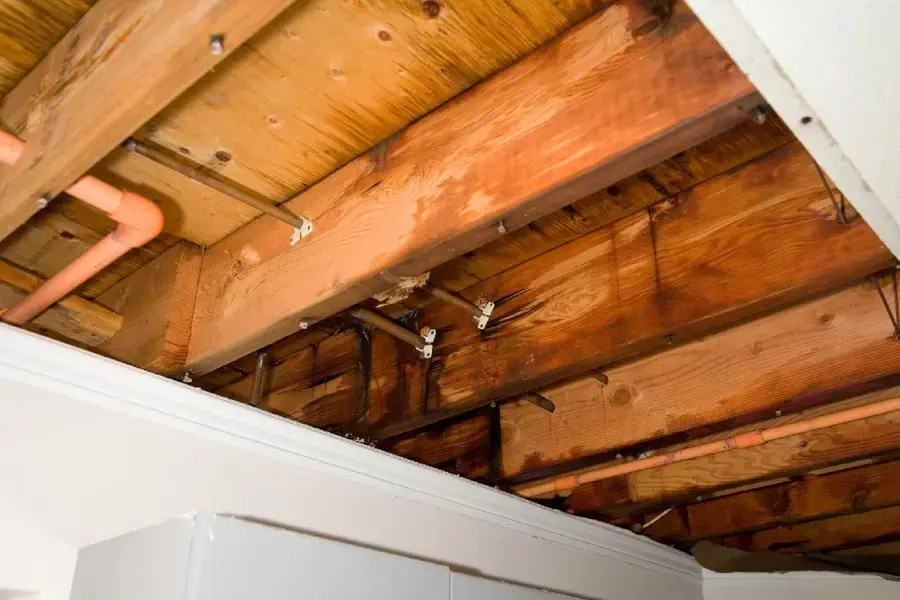 Burst Pipe Water DamageFrozen and split supply lines in crawl spaces and exterior walls, extracted and dried inside the cavity.See burst pipe water damage
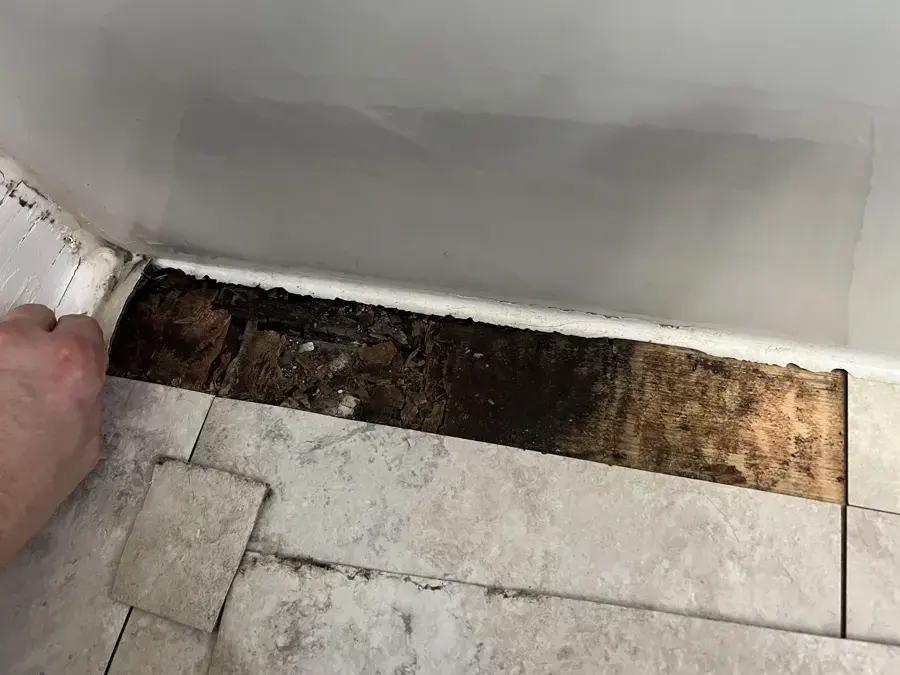 Slab Leak Water DamageLeaks under concrete floors traced with thermal imaging, flooring opened only where the readings say.See slab leak water damage
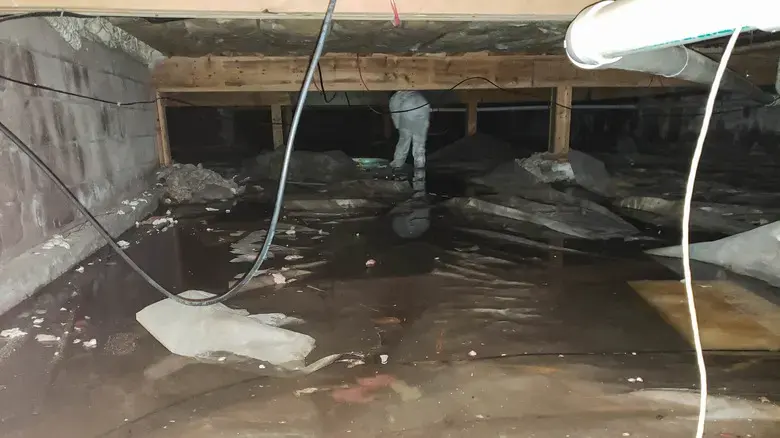 Crawl Space Water DamageStanding water under the house pumped out, the vapor barrier pulled and the joists dried to a reading.See crawl space water damage
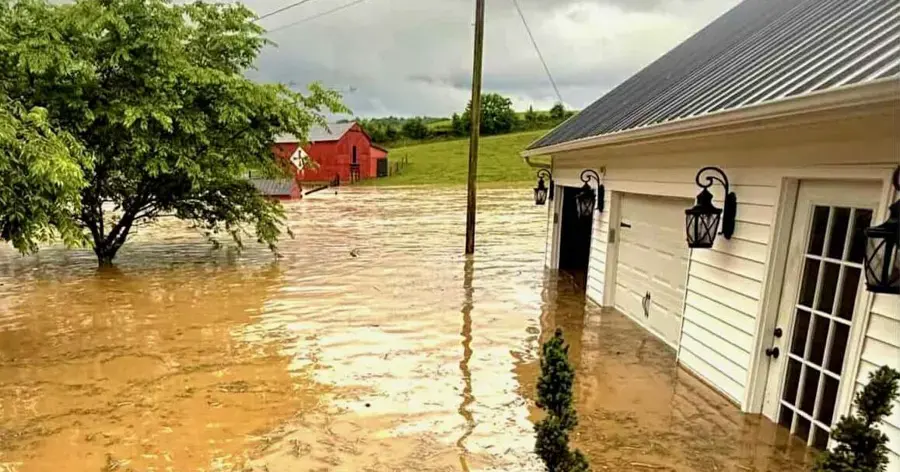 Storm and Flood CleanupCreek overflow and storm runoff treated as Category 3 water, with porous materials removed and the structure dried.See storm and flood cleanup
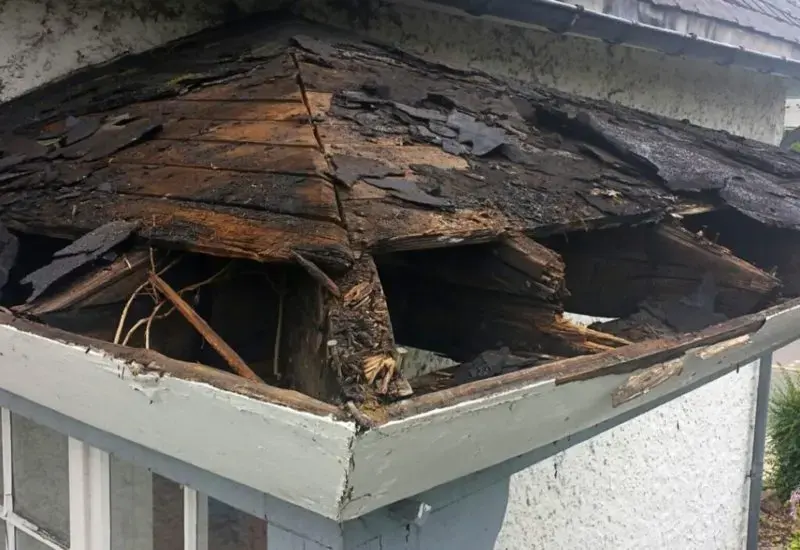 Roof Leak Water DamageWind and hail openings tarped, wet attic insulation pulled and the ceiling and framing dried.See roof leak water damage
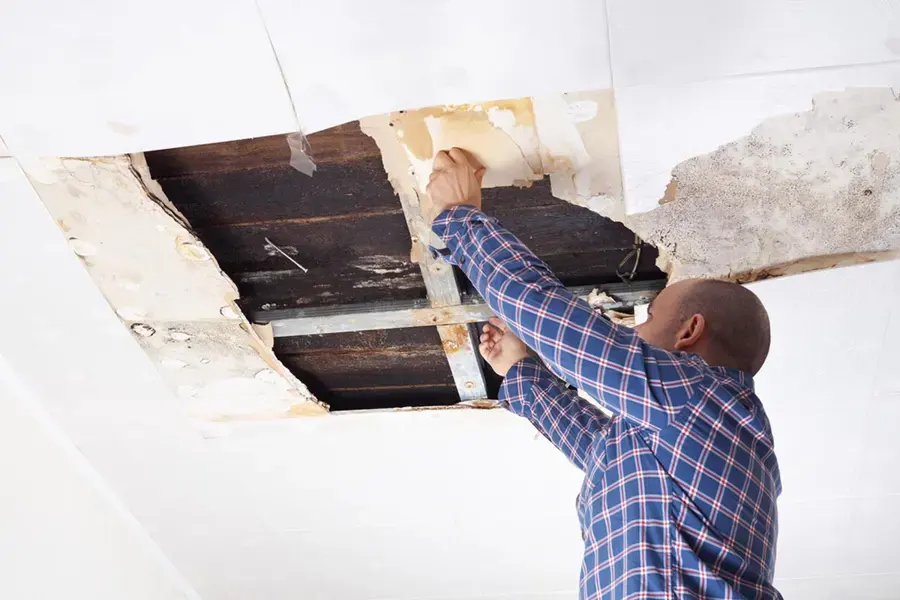 Ceiling Leak Water DamageUpstairs bath and supply leaks traced, sagging drywall opened safely and the joist bays dried.See ceiling leak water damage
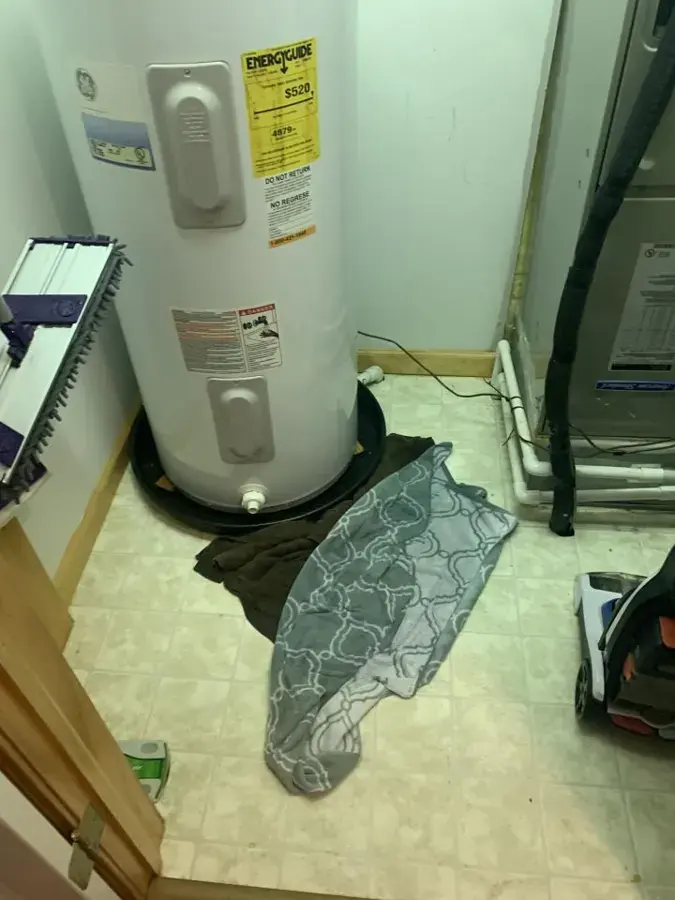 Water Heater Leak CleanupGarage, closet and attic tank failures extracted and the surrounding walls and floor dried.See water heater leak cleanup
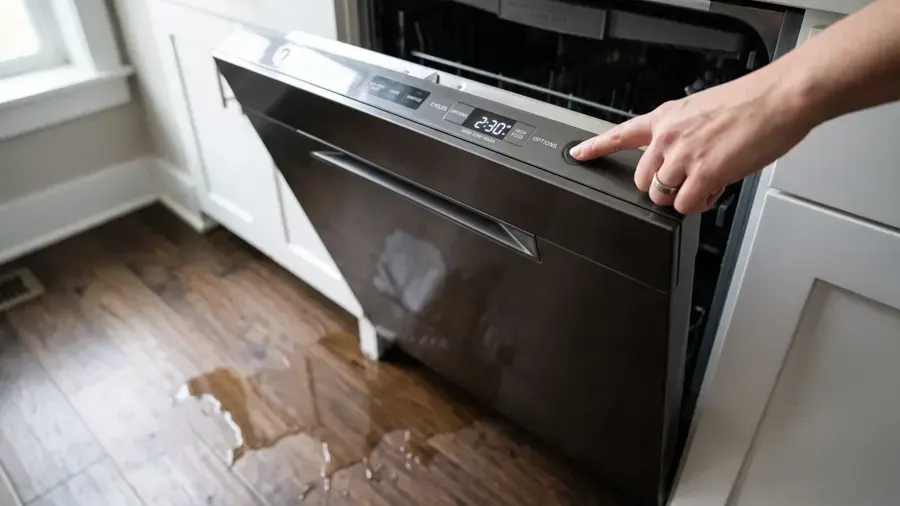 Appliance Leak Water DamageDishwasher, washer, ice maker and fridge supply leaks dried under cabinets and flooring.See appliance leak water damage
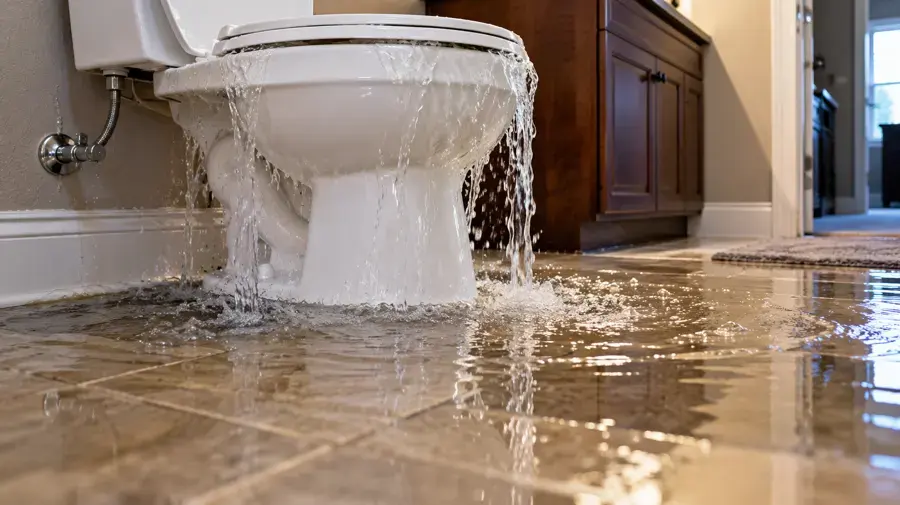 Toilet Overflow CleanupOverflow water sorted by category, cleaned, and dried before it reaches the subfloor below.See toilet overflow cleanup
 Sewage Backup CleanupCategory 3 backups contained, porous materials removed and surfaces treated with EPA-registered antimicrobial.See sewage backup cleanup
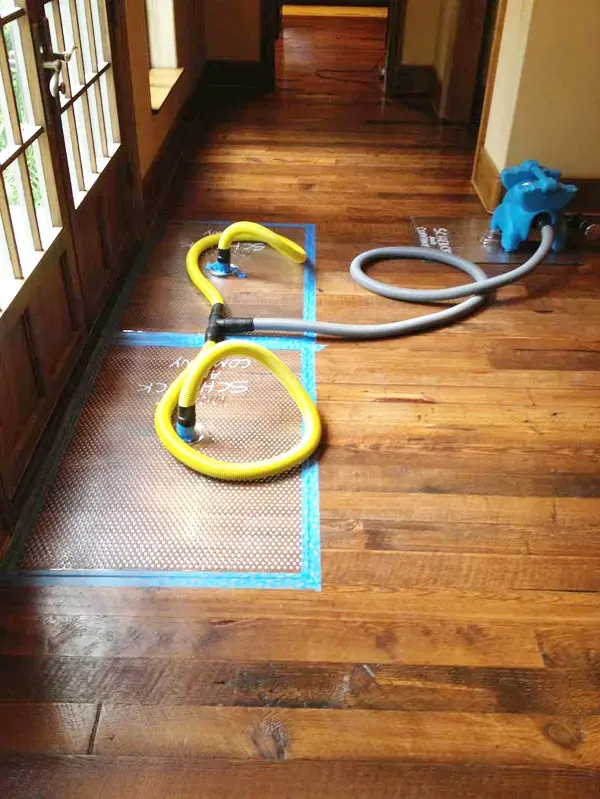 Hardwood Floor Water DamageCupping caught early and pulled back with drying mats before boards are written off.See hardwood floor water damage
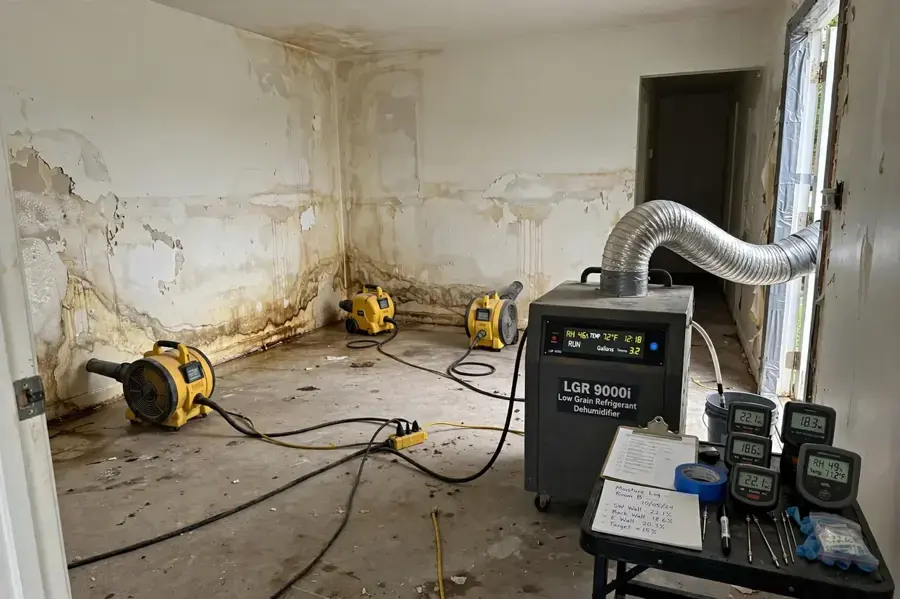 Structural DryingFraming, subfloor and wall cavities dried to within 2 to 4 points of a dry reference.See structural drying
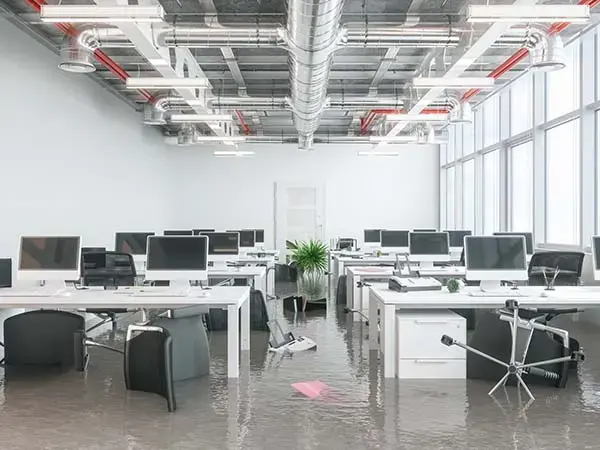 Commercial Water DamageRetail, office and warehouse losses along the I-40 corridor dried in phases to keep doors open.See commercial water damage
Water damage dried to the IICRC S500 standard
- 1
Moisture mapping
The tech who does the walkthrough uses thermal imaging and pinless meters to mark the wet edge on every wall, floor and ceiling before any equipment goes down.
- 2
Extraction
The extraction crew pulls standing water with truck-mounted extraction, so the water leaves the building instead of moving to the next room or the crawl space.
- 3
Air movers and LGR dehumidifiers
The drying team sets air movers to each room's evaporation load and LGR dehumidifiers to pull that moisture back out of the air; desiccants handle Class 4 materials.
- 4
Daily readings and dry verification
Readings are logged every day. Equipment leaves when wet materials sit within 2 to 4 points of a dry reference in the same house, not when they look dry.
Water damage in Mount Juliet, TN: the local risk profile
Mt. Juliet sits between Old Hickory Lake on the Cumberland River to the north and Percy Priest Lake to the south, with Stoners Creek running through town. Across Wilson County the soil is thin over limestone and cedar glades, so heavy rain runs off fast instead of soaking in.
- May 1 to 2, 2010More than 13 inches of rain fell at Nashville in two days. Creeks across the region left their banks, and the Mt. Juliet Sports Park fields flooded.
- March 3, 2020An EF3 tornado tore through Mt. Juliet, opening roofs and letting rain into attics, ceilings and walls.
- December 2022A hard cold snap pushed Middle Tennessee into the single digits for days, and pipes froze in crawl spaces, garages and exterior walls.
The failure modes that dominate in Mt. Juliet
- Crawl spaces and runoff. Many homes sit on crawl spaces or slabs rather than basements, and storm water that runs along the rock ends up under the house. See crawl space water damage.
- A young housing stock. The median home was built around 2005, so the big risks are supply hoses, PEX fittings, ice maker lines and water heaters reaching the end of their life.
- Hard freezes that catch homes off guard. Lines in vented crawl spaces and north walls split during cold snaps like December 2022. See burst pipe water damage.
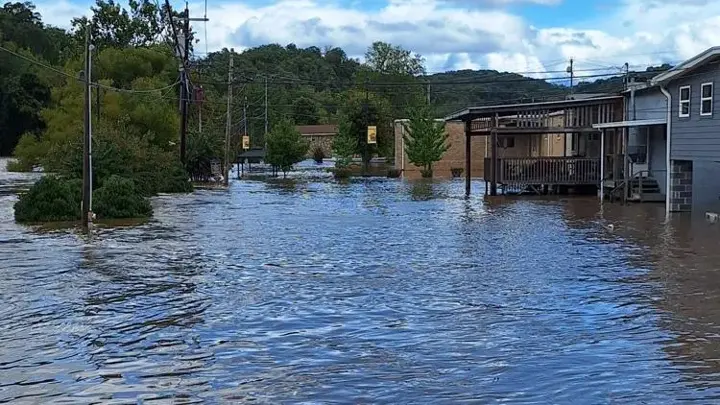
- Creeks and low lots. Parcels near Stoners Creek and drainage channels see fast runoff after heavy spring rain. See storm and flood cleanup.
All water damage categories covered in Mount Juliet, TN
Category 1, clean water
A supply line, a water heater tank or a fill valve. Most materials can be dried in place if drying starts fast.
Category 2, gray water
A dishwasher or washer drain, or a toilet bowl without waste. Surfaces are cleaned and treated, and soaked pad usually goes.
Category 3, black water
Sewage, creek overflow and storm floodwater. Porous materials it touched are removed, not dried. See sewage backup cleanup.
How long drying takes, and the drying goal
- Contained loss
- Three to five days for one or two rooms of Class 1 or Class 2 drying.
- Hardwood, slab and plaster
- Longer, often a week or more, because Class 4 materials give up water slowly.
- When equipment leaves
- On readings, not on a schedule: wet materials within 2 to 4 points of a dry reference.
What does water damage restoration cost in Mount Juliet, TN?
In Mount Juliet, TN, water damage restoration typically runs $500 to $15,000 or more, depending on the water category, the square footage that got wet, the material class and how fast drying started.
- Small, clean leak$500 to $2,000One room, Category 1 water, extracted and dried in a few days.
- Several rooms or a crawl space$2,000 to $6,000Carpet pad, wall bottoms or a crawl space pump-out, plus more equipment days.
- Flood, sewage or a slab$6,000 to $15,000+Category 3 removal, flood cuts, Class 4 materials and longer drying.
Get a planning number from the water damage cost calculator or estimate equipment days with the drying time estimator.
What the claim file contains
A water claim is decided on the file, not on the phone call. The restoration team builds the file as the work happens, so the adjuster sees what was wet, what was removed and why, and how the structure was proven dry.
Sudden and accidental discharge, like a burst supply line, is treated differently from rising surface water, which falls under flood coverage. Coverage depends on your policy, so it is worth checking with your own insurer.
- The moisture map from day one, marking every wet wall, floor and ceiling
- Timestamped photos taken before any demolition or removal
- The category and class of the loss, with the source identified
- Daily psychrometric and moisture logs until the drying goal is met
- A line-item scope in the format adjusters expect
What a water damage dry-out looks like in Mount Juliet
Mount Juliet neighborhoods, ZIP codes and nearby towns
The Mount Juliet restoration crew covers the whole city, from Providence and Willoughby Station to the Old Hickory Lake shoreline north of Lebanon Pike and south toward Gladeville, in ZIP codes 37122 and 37121.
- Providence
- Lake Providence
- Del Webb Lake Providence
- Willoughby Station
- Jackson Hills
- Kelsey Glen
- Nichols Vale
- Shadow Creek
- Baird Farms
- Tuscan Gardens
- Stoners Creek corridor
- Old Hickory Lake shoreline
- Gladeville
Nearby towns
Mount Juliet water damage questions, answered
What should I do in the first hour of a water leak?
Shut off the main water valve, switch off power to wet rooms if the panel area is dry, stay out of standing water near outlets, photograph the damage and lift rugs and furniture off wet floors. Then call, because drying that starts early saves the most material.
How fast can a restoration crew respond in Mount Juliet?
Mount Juliet water damage pros answer 24/7, and active water losses are treated as urgent at any hour. Response depends on the time of day, the weather and how many losses a storm caused across Wilson County.
Why do so many Mt. Juliet homes get crawl space water?
Many Mt. Juliet homes sit on crawl spaces, and across Wilson County the soil is thin over limestone. Heavy rain that cannot soak in runs along the rock toward the lowest point, which is often under the house.
How long does it take to dry a house after water damage?
A contained Class 1 or Class 2 loss usually dries in three to five days. Hardwood, concrete slabs and plaster take longer. Equipment comes out when daily readings meet the dry reference, not on a set date.
What is the IICRC S500 standard?
IICRC S500 is the industry standard for water damage restoration. It defines water categories and classes, how equipment is sized and the drying goal: wet materials within 2 to 4 points of a dry reference.
Is water damage covered by homeowners insurance?
Sudden and accidental water, like a burst supply line, is often covered after the deductible. Rising floodwater falls under flood insurance, and sewer backup often needs its own endorsement. Coverage depends on your policy, so it is worth checking with your own insurer.
Why is sewage treated differently from a pipe leak?
Sewage is Category 3 the moment it happens. Porous materials it touches, like carpet, pad and the lower drywall, are removed instead of dried, and every remaining surface is treated with an EPA-registered antimicrobial.
When does drywall have to come out?
Drywall comes out when it touched Category 3 water, when it sagged or lost strength, or when readings show it cannot dry in a reasonable time. Firm drywall from a clean leak is often dried in place.
How is the cost of water damage restoration figured?
The drivers are the water category, the square footage that got wet, the material class (carpet, hardwood, concrete, plaster) and how fast drying started. The cost calculator gives a planning range.
What is the difference between mitigation and repair?
Mitigation stops the damage: extraction, removal of what cannot be saved and structural drying. Repair, like new drywall, paint and flooring, is a separate phase that starts after the structure is dry.
Water in your Mt. Juliet home right now?
The Mount Juliet water damage pros answer around the clock, extract the water, dry the structure to the S500 goal and build the file your adjuster needs.