Storm and Flood Cleanup in Mount Juliet, TN
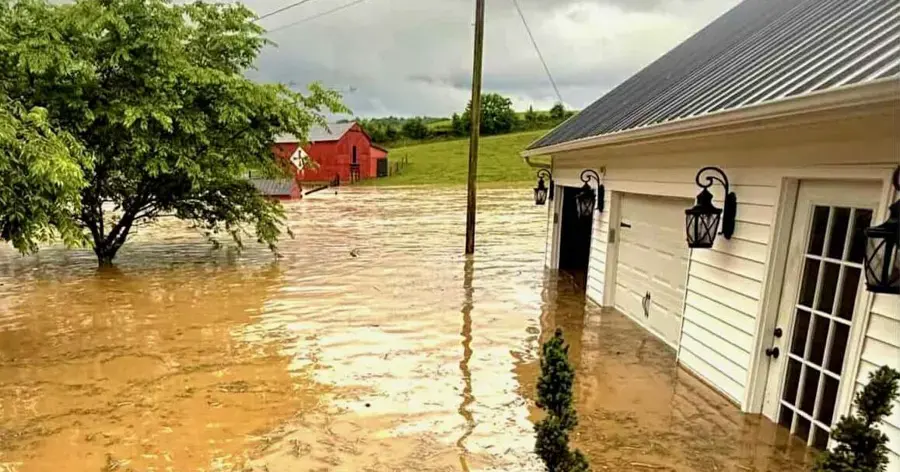
Mt. Juliet sits between Old Hickory Lake and Percy Priest Lake with Stoners Creek running through town, and the May 2010 flood showed how fast creeks here can leave their banks. The restoration team treats floodwater as Category 3, removes what it soaked and dries the structure to a verified reading.
(888) 849-5796Floodwater inside? Call now- 24/7 dispatch
- Category 3 protocol
- Flood cut and removal
- Antimicrobial treatment
When floodwater gets inside
- 1
Wait for safe entry
Do not wade into a flooded room with power on. Have the utility or an electrician cut power if the panel is wet.
- 2
Treat it as contaminated
Storm water carries soil, fuel and sewage. Wear boots and gloves and keep children and pets out.
- 3
Photograph everything
Capture the water line on the walls and every damaged item before cleanup begins.
- 4
Call early
Flooded drywall and carpet start growing mold within 24 to 48 hours of the water going down.
Floodwater is Category 3 from the start
Water that crossed yards, roads or a creek bank is treated as contaminated. Porous materials it touched are removed, not dried.
- Water category
- Category 3 for creek, river and surface floodwater
- Typical class
- Class 3 to 4: walls, floors, insulation, crawl space
- Equipment
- Pumps, truck-mounted extraction, HEPA air scrubbers, LGR dehumidifiers
- Drying goal
- Framing and subfloor within 2 to 4 points of a dry reference
On May 1 and 2, 2010, Middle Tennessee took more than 13 inches of rain in two days at Nashville, double the old record. Creeks across the region, Stoners Creek among them, rose fast, and the Mt. Juliet Sports Park fields were among the places that flooded. Most storms are smaller, but the pattern repeats: heavy spring rain on thin soil over limestone produces fast runoff, and low lots, crawl spaces and slab homes near drainage channels take the water.
What flood cleanup involves
After the water goes down, the restoration team pumps and extracts what is left, then makes a flood cut: drywall is removed in a straight line above the highest water mark, usually 12 to 24 inches above it, so wet insulation and the bottom plate are exposed. Carpet, pad and soaked insulation go out. Hard surfaces and framing are cleaned and treated with an EPA-registered antimicrobial, and HEPA air scrubbers run while the work is under way.
- Extraction of standing water and mud.
- Flood cut and removal of porous materials below it.
- Cleaning and antimicrobial treatment of framing and slab.
- Structural drying with LGR dehumidifiers and air movers.
- Daily readings and photo documentation for the claim file.
Talk to someone about the flooding now
(888) 849-5796Call for flood cleanupCrawl spaces and slab homes after a storm
Many Mt. Juliet homes sit on crawl spaces, and storm water often ends up under the house before it ever reaches a room. That water still counts as Category 3. The crawl space water damage process covers pump-out, barrier removal and dehumidification. For slab homes, water that came in under doors soaks flooring and wall bottoms, and the drying team opens walls along the water line before the structural drying starts.
Storm damage from above
Wind and hail open roofs too. The March 3, 2020 EF3 tornado tore through Mt. Juliet, and spring thunderstorms still lift shingles every year. When rain comes through the roof rather than the door, the job is roof leak water damage: tarp, pull wet insulation, dry the ceiling and framing.
Flood insurance is separate from a standard homeowners policy. The National Flood Insurance Program site explains what it covers.
What does storm and flood cleanup cost in Mount Juliet, TN?
In Mount Juliet, TN, storm and flood cleanup typically runs $3,000 to $15,000 or more, because floodwater is Category 3 and porous materials below the water line come out. Square footage and how high the water rose drive the number.
Garage or crawl space
$3,000 to $5,000
- Pump-out
- Barrier and insulation out
- Antimicrobial
One floor, low water
$5,000 to $10,000
- Flood cut
- Carpet and pad out
- Structural drying
Deep or widespread
$10,000 to $15,000+
- High flood cut
- Several rooms
- Long equipment stay
The drivers are the water category (always 3 here), the height of the water line, the square footage and how fast cleanup started after the water dropped. Run the numbers in the water damage cost calculator.
How storm and flood cleanup is handled in Mount Juliet
- 1
Make it safe
Power is confirmed off in wet areas and the water line is photographed.
- 2
Pump and extract
Standing water and mud come out with pumps and truck-mounted extraction.
- 3
Flood cut and clean
Porous materials below the cut are removed and surfaces get antimicrobial.
- 4
Dry and verify
LGR dehumidifiers and air movers run until framing and slab read dry.
Coverage across Mount Juliet and western Wilson County
The Mount Juliet restoration crew works from Providence and Willoughby Station to the Old Hickory Lake shoreline and south toward Gladeville, ZIP codes 37122 and 37121, and the same drying standard applies in Hendersonville, Lebanon, La Vergne, Gallatin, Goodlettsville.
See every area servedStorm and flood cleanup questions in Mount Juliet
Why is floodwater treated differently from a pipe leak?
Floodwater crossed yards, roads and creek banks, so it carries soil, bacteria and chemicals. It is Category 3, and porous materials it touched are removed instead of dried.
What is a flood cut?
It is a straight cut in the drywall above the highest water mark, usually 12 to 24 inches above it, that exposes wet insulation and framing so they can be cleaned and dried.
Does homeowners insurance cover flooding?
Standard homeowners policies usually exclude rising surface water, which is covered by flood insurance through the NFIP or a private flood policy. Coverage depends on your policy, so it is worth checking with your own insurer.
How soon should cleanup start?
As soon as it is safe to enter. Mold can begin on wet materials within 24 to 48 hours of the water going down.
My crawl space flooded but the house is dry. Does it matter?
Yes. Water under the house raises humidity in the subfloor and rooms above, and storm water there is still Category 3. It needs pump-out and drying.
Is Mt. Juliet in a flood zone?
Some parcels along Stoners Creek and other drainage channels sit in mapped flood zones while most of the city does not. You can look up your address on the FEMA Flood Map Service Center.
Floodwater came into your Mt. Juliet home?
The restoration team treats it as Category 3, removes what it soaked, treats the framing and dries the structure to a verified reading.