Roof Leak Water Damage in La Vergne, TN
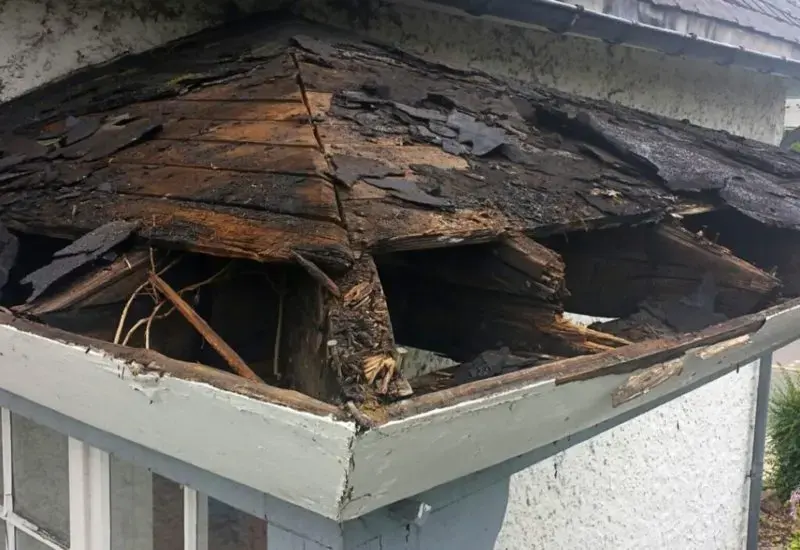
The median La Vergne home dates to about 2002, so many roofs are now around two decades old, and spring thunderstorms test every seam. Rain that gets in soaks attic insulation first. The drying crew removes what is wet and dries the ceiling and framing below.
(888) 849-5796Rain coming through? Call now- 24/7 dispatch
- Attic moisture checks
- Wet ceiling drying
- Storm-date photos
First moves when rain gets through a La Vergne roof
- 1
Catch what drips
Set out buckets under active drips and move furniture away, then puncture nothing unless a ceiling is bulging.
- 2
Protect the room
Cover items with plastic and keep people out from under a sagging ceiling.
- 3
Photograph the damage
Record stains, drips and any visible opening from the ground before cleanup or repair.
- 4
Call a roofer too
Someone has to tarp or repair the opening, while the drying crew handles the wet materials inside.
The attic holds more water than the ceiling shows
Insulation soaks up rain like a sponge and presses it against the ceiling drywall. A stain the size of a plate can sit under a much larger wet area above.
- Water category
- Mostly Category 1, sliding to Category 2 once it crosses attic debris
- Typical class
- Class 2 to 3, with insulation, drywall and top plates all wet
- Equipment
- Infrared camera, attic moisture meters, air movers, refrigerant dehumidifiers
- Drying goal
- Joists, top plates and drywall matching a dry reading within 2 to 4 points
La Vergne has a humid subtropical climate, and spring thunderstorms bring wind and hard rain. A roof from the original building era has been through two decades of that weather, so seams, flashing and edges are where water finds its way in.
What a roof leak soaks on the way down
Rain enters at a weak spot and drops into the insulation, then runs along the framing until it finds a ceiling. By the time a stain appears, the attic floor may be wet across a wide area. The crew maps that spread with a thermal camera and attic moisture meter before choosing where to cut.
- Soaked insulation goes out, since it keeps water pressed against the wood.
- Sagging or stained drywall is opened safely so the cavity can dry.
- Dry-looking ceiling areas are read before they are left alone.
Dry the ceiling before it sags
(888) 849-5796Call about a roof leakRoofer and drying crew, in that order of urgency
The opening has to be covered first, with an emergency tarp or a repair, or new rain undoes the drying. Then the drying equipment goes in. If the leak also reached an apartment below, see ceiling leak water damage in La Vergne for how that second ceiling is handled.
Why timing matters after a storm
A storm can open several spots on a roof at once, and each one wets its own patch of attic. Photographs and the storm date help the adjuster separate sudden storm damage from long-term wear, so the file starts the day the water is found. Water on the floor under a wet ceiling follows the water extraction in La Vergne steps first.
Drying the ceiling and the framing
Fans and dehumidifiers work on the ceiling and walls, and readings in the joists and top plates decide when the equipment leaves. The restoration team also keeps storm dates, photos and moisture logs for the adjuster. The wider process appears on the La Vergne water damage restoration page.
What does roof leak water damage cost in La Vergne, TN?
Roof leak water damage restoration in La Vergne, TN usually runs $1,000 to $6,500, without the roof repair. One stained ceiling is the low end, while soaked attic insulation across several rooms and wet walls is the high end.
One ceiling
$1,000 to $2,000
- A small patch of attic
- Wet insulation out
- Ceiling dried where it stands
Several rooms
$2,000 to $4,000
- Ceiling panels cut open
- Top plates dried
- Wall readings
Storm-wide damage
$4,000 to $6,500+
- Wide attic area soaked
- Wet walls and floors
- Many equipment days
Cost depends on the size of the opening, how long rain came in, how much insulation and drywall are wet and how soon drying began. Run the numbers in the water damage cost calculator.
How roof leak water damage is handled in La Vergne
- 1
Cover and map
The opening is covered, and a thermal camera maps the wet attic and ceiling.
- 2
Remove the wet
Soaked insulation and ruined drywall come out, while firm drywall stays.
- 3
Dry from above and below
Fans and dehumidifiers dry the ceiling, walls and framing.
- 4
Read and record
Daily readings and storm photos go into the claim file until the framing is dry.
Coverage across La Vergne, TN
Crews work throughout ZIP code 37086, from the large Lake Forest Estates subdivision and Cedar Lake to Lake Woods, Akin Heights and the city's apartment complexes and condos.
See every area servedRoof leak questions from La Vergne homeowners
Why are La Vergne roofs leaking now?
With a median build year near 2002, many roofs are about two decades old, and spring thunderstorms test aging seams, flashing and shingles.
Does the insulation always have to go?
Wet insulation is usually removed, because it traps water against the wood and slows drying. Dry sections are left in place.
Who should come first, the roofer or the drying crew?
The opening needs a cover so rain stops entering, and the drying crew can begin at the same time on the wet materials inside.
Will insurance cover a roof leak?
Many policies cover sudden storm damage, but they may treat wear or neglect differently. Check the policy and talk to your insurer before work starts.
Should I tarp the roof myself?
Climbing a wet roof is dangerous, so leave tarping to a roofer or an emergency roof service. From inside, catch the drips and keep people clear of any sagging ceiling.
Can a small stain mean a bigger problem?
Yes. A stain the size of a plate can sit under a wide wet attic area, so readings and thermal imaging decide how much needs opening.
Rain coming through your La Vergne roof?
The drying crew maps the wet attic, removes soaked insulation and dries the ceiling and framing until the readings match a dry reference.