Storm and Flood Cleanup in Goodlettsville, TN
Mansker Creek runs through town, Dry Fork Creek is a flood source and the backwater from Mansker Creek lifts Lumsley Fork and the Goodlettsville Outlet Ditch. When water reaches a house, the mitigation team treats it as Category 3, removes what cannot be saved and dries the rest.
(888) 849-5796Floodwater inside? Call now- 24/7 dispatch
- Category 3 protocol
- Flood cut and removal
- Antimicrobial treatment
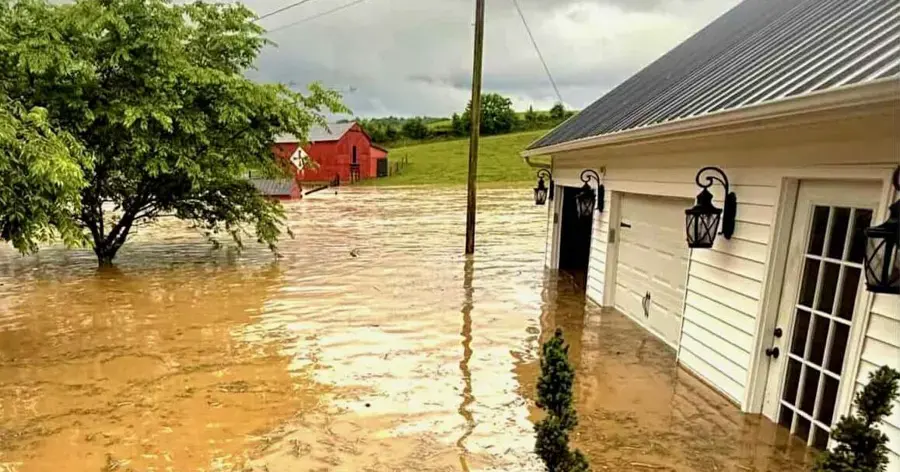
First moves when floodwater reaches a Goodlettsville home
- 1
Stay out of the water
Floodwater can carry sewage and hide live wiring. Do not wade through it without boots and the power confirmed off.
- 2
Mark the high-water level
Photograph the mark on walls and furniture. It sets the flood cut height and supports the claim.
- 3
Skip the household cleaners
Bleach and wet vacuums do not make flood-soaked materials safe, so leave the work for trained crews.
- 4
Check your flood zone
The city points residents to the FEMA Flood Map Service Center for zone checks.
Floodwater is dirty water, whatever it looks like
Creek and runoff water carries soil, sewage and chemicals. It is Category 3 from the start, so what it touched is removed and treated rather than simply dried.
- Water category
- Category 3 for creek water, runoff and any sewage mix
- Typical class
- Class 3 to 4, with soaked framing, pad and wall bottoms
- Equipment
- Extraction pumps, HEPA scrubbers, antimicrobial sprayers, air movers, LGR dehumidifiers
- Done when
- Treated framing and subfloor match a dry reference reading
Goodlettsville has a long record with flood. In the May 1 to 2, 2010 Middle Tennessee flood, Nashville took 13.57 inches in two days and the city later collected thousands of cubic yards of flood debris. On March 14 to 15, 2025, flash flooding put two left lanes of I-65 northbound underwater just south of exit 95.
Where the water comes from
Mansker Creek runs through the city, Dry Fork Creek is a flood source and Lumsley Fork and the Goodlettsville Outlet Ditch rise when Mansker Creek backs water into them, according to the FEMA Flood Insurance Study. Homes on the south side of Janette Avenue sit in the 100-year floodplain, per city minutes.
Get floodwater out and the structure drying
(888) 849-5796Call about flood cleanupWhat the crew removes and what stays
The extraction crew pumps out the water first. Carpet, pad, insulation and drywall below the water mark are cut out, since porous materials cannot be made safe once Category 3 water soaks them. Hard surfaces and framing are cleaned and treated with an EPA-registered antimicrobial. Salvage is decided item by item: solid wood furniture and hard goods can often be cleaned, while upholstery and particleboard cabinets that sat in Category 3 water usually cannot.
- Flood cuts follow the high-water mark with a margin.
- HEPA scrubbers and containment limit spread of dust.
- Framing stays open until readings fall.
- Debris is bagged and hauled so it does not sit at the curb.
From cleanup to drying
After removal, the drying team places air movers and dehumidifiers and logs readings daily until the framing is dry, while the file collects photos, the moisture map and the removal list for the adjuster. Underfloor spaces are included, as described on the crawl space water damage page, and the stage is verified through structural drying. The Goodlettsville hub lists every other service.
What does storm and flood cleanup cost in Goodlettsville, TN?
In Goodlettsville, TN, storm and flood cleanup typically runs $3,000 to $15,000 or more, because floodwater is Category 3 and porous materials below the water mark come out. How high the water rose and how many square feet got wet set the total.
Garage or underfloor space
$3,000 to $5,000
- Pump-out
- Soaked items removed
- Treatment
One floor, low water
$5,000 to $10,000
- Flood cut
- Pad and flooring removed
- Several drying days
Deep or widespread
$10,000 to $15,000+
- Multiple rooms
- Insulation and drywall out
- Extended drying
The drivers are the depth of the water, the square footage it covered, the materials it soaked and how quickly extraction began. Run the numbers in the water damage cost calculator.
How storm and flood cleanup is handled in Goodlettsville
- 1
Make it safe
Power status is confirmed, the area is contained and the crew suits up for Category 3 water.
- 2
Extract and remove
Water is pumped out and porous materials below the line are cut and hauled away.
- 3
Treat the structure
Framing and hard surfaces are cleaned and sprayed with an EPA-registered antimicrobial.
- 4
Dry and verify
Equipment runs until wet framing and subfloor read like an unaffected reference.
Coverage across Goodlettsville, TN
The Goodlettsville water damage pros cover ZIP codes 37072 and 37070, from Windsor Green and Dry Creek Farms on the Davidson side to Copper Creek and Braxton Park at Woodwyn in Sumner County.
See every area servedFlood cleanup questions from Goodlettsville homeowners
Which creeks put Goodlettsville homes at risk?
Mansker Creek runs through town and Dry Fork Creek is a flood source. Lumsley Fork and the Goodlettsville Outlet Ditch have flood levels affected by backwater from Mansker Creek, so low lots nearby need extra care.
How do I find my flood zone?
The city refers residents to the FEMA Flood Map Service Center. The Davidson side follows the Metro Nashville FEMA study and the Sumner side follows the Sumner County study.
Why do carpet and drywall have to be thrown out?
Floodwater is Category 3, and porous materials soak up contaminants that drying cannot remove. Hard surfaces and framing can be cleaned and treated, so they stay.
How soon should cleanup begin?
As soon as the area is safe. Wet drywall and subfloor can grow mold within 24 to 48 hours, and flood debris left in place makes the loss larger. Fans and dehumidifiers go in as soon as removal is finished.
Is creek flooding covered by homeowners insurance?
Rising creek water is generally a flood loss, which a standard homeowners policy usually excludes. A separate flood policy may apply, so ask your own insurer.
Floodwater inside your Goodlettsville home?
The mitigation team extracts the water, removes what cannot be saved and dries the structure to a verified reading.